One sample for a whole field
A soil sample consists of soil from many spots in the same field. That soil is mixed into one sample. The more spots, the better the sample represents the whole field.
Does a field vary a lot, for example because one part is wetter or was used differently in the past? Then it is better to sample those parts separately.
Spots we skip
Some spots give a distorted picture. We deliberately leave those out:
- The edges and headlands of the field
- Spots where manure or lime has been lying
- The soil around drinking troughs and feeding areas
- Wet or trampled spots
The right depth
How deep we sample depends on how the field is used. Grassland is not ploughed, so nutrients stay mainly in the top layer. On grassland we therefore usually take the layer down to about 10 centimetres.
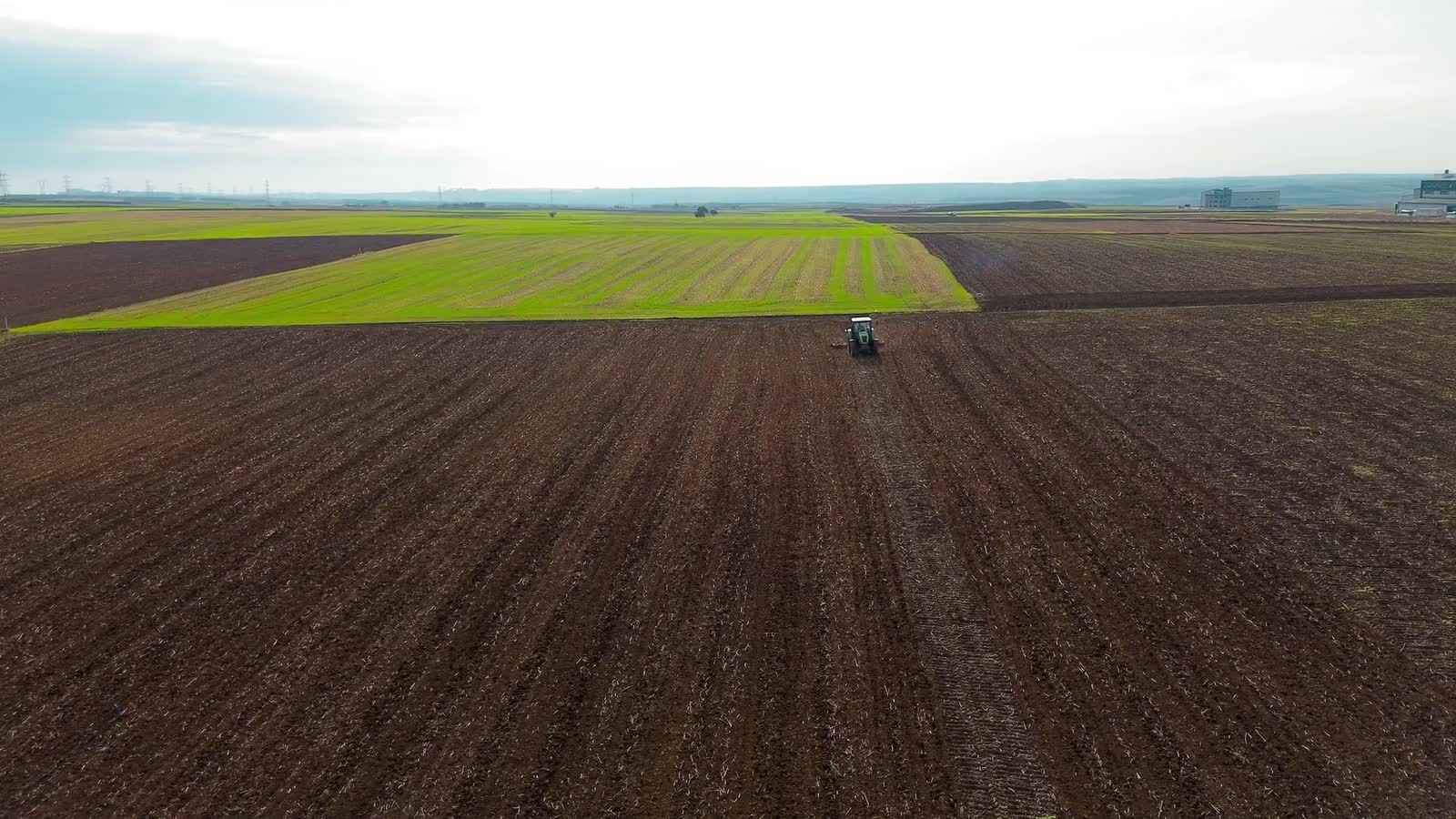
Arable land is cultivated, so there we sample deeper. For nitrogen we take the soil in layers. You can read more about this on the page measuring nitrogen in the soil.
The right moment
Frozen, very wet or freshly fertilised soil does not give a good picture. After fertilising we prefer to wait a few weeks.
Would you like to compare results over the years? Then have sampling done at the same time of year each time.
From field to laboratory
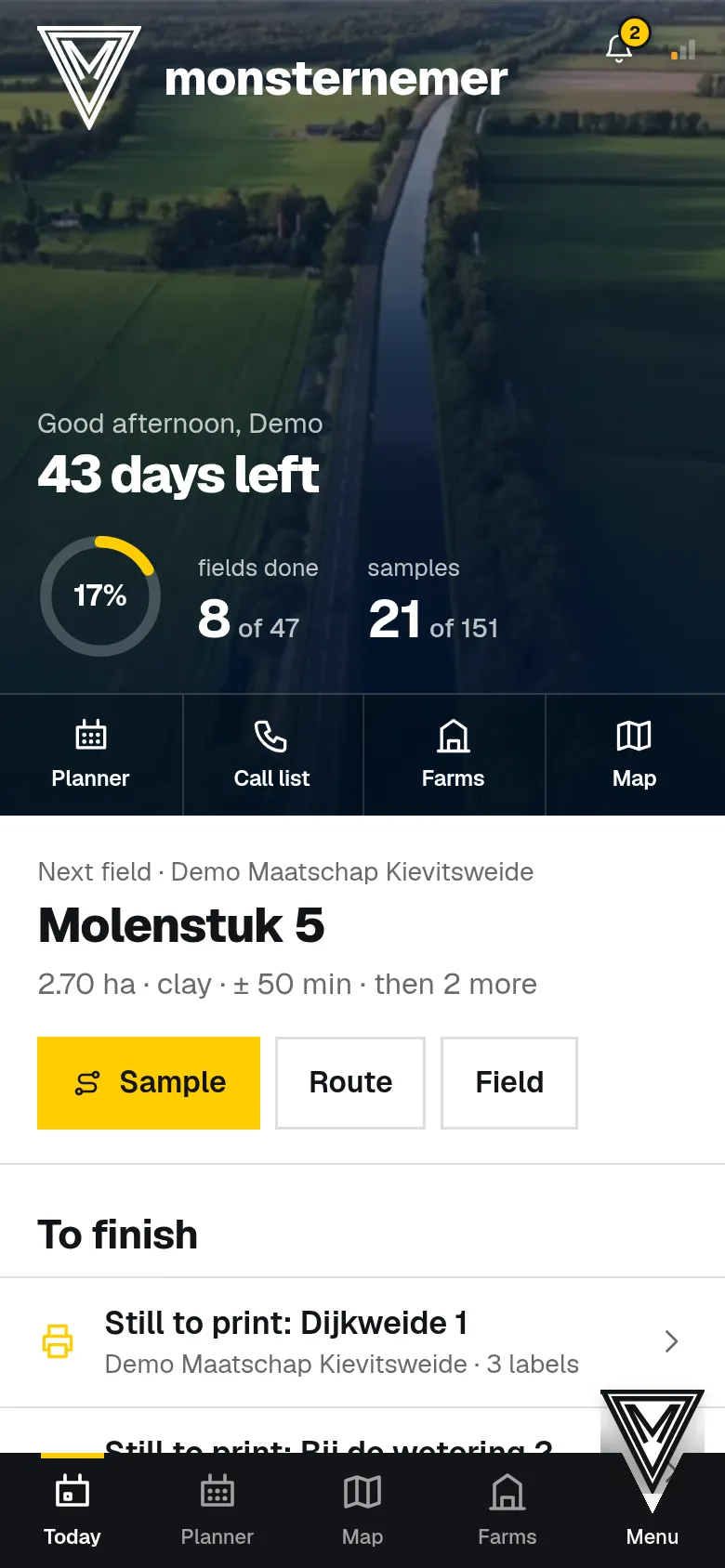
Each sample gets its own code linked to the field. This way the result ends up with the right field.
We keep samples for nitrogen cool, because the nitrogen in the soil keeps changing.